Used RV Scams: Fake Listings, Escrow Tricks and Safe Payment
Learn the common used RV scams, from fake listings and escrow tricks to wire-transfer demands, plus how to check a seller and pay safely in person.
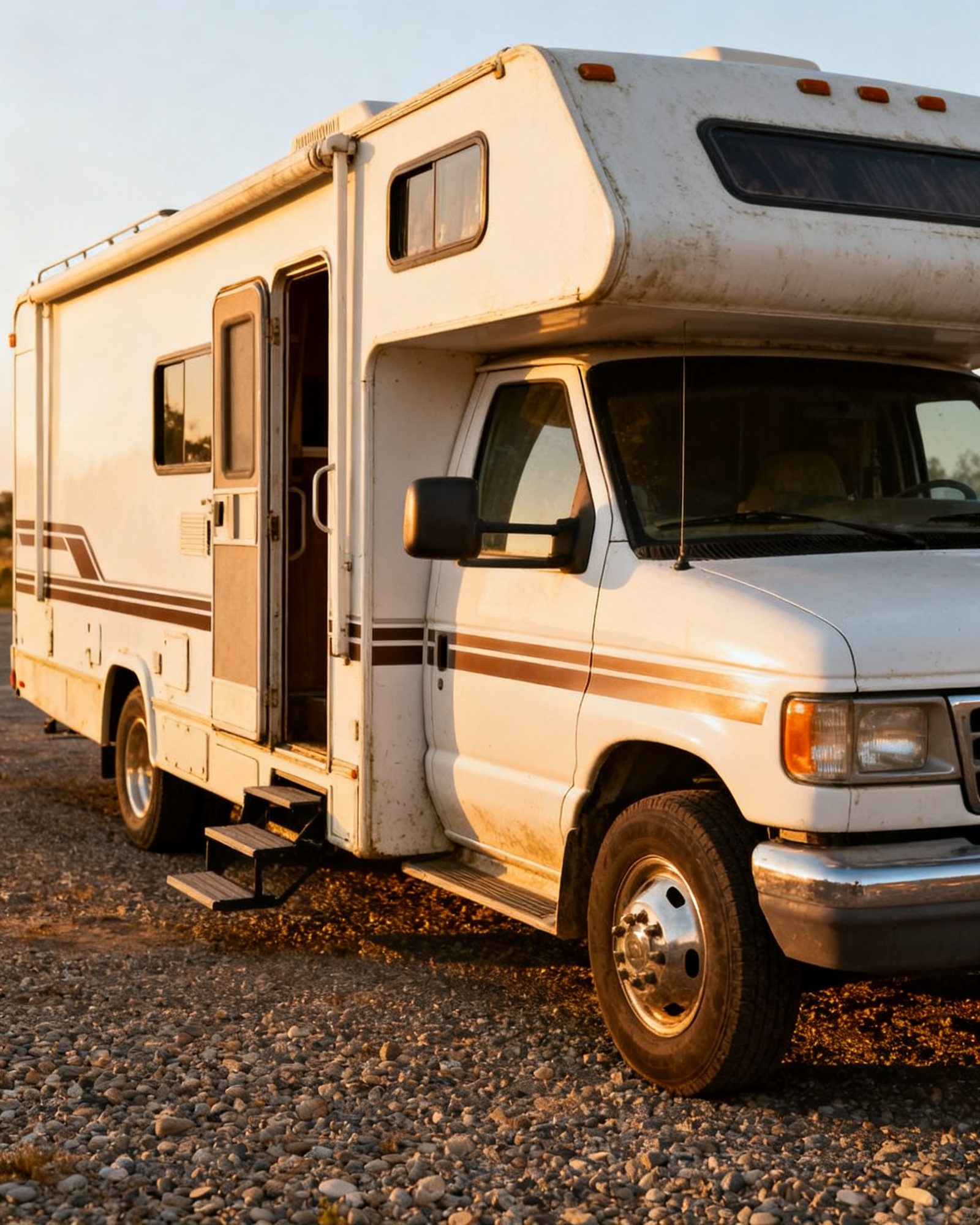
A used RV scam usually follows a script: the price is far below similar RVs, the seller cannot meet in person, and payment must go by wire transfer, gift cards or an escrow or shipping service the seller chooses. The FTC and FBI warn about exactly this pattern. The defense is simple in principle and requires discipline in practice: verify the seller and the title before any money moves, and pay only in a way you can control, in person, at the same time the paperwork is signed.
The common patterns of an RV scam
Most fake RV listings reuse the same few moves. Knowing them makes them easy to spot.
The price is far below comparable RVs
A listing that undercuts every similar RV by a wide margin is bait. Scammers copy photos and details from real listings and repost them at a price low enough to make a buyer rush. If the price does not match the condition, age and type of RV, treat the listing as suspect until the seller and the title check out.
The seller is away and wants to ship the RV
A common camper for sale scam: the seller claims to be out of state, in the military, or otherwise unable to meet. They offer to ship the RV after payment, or say a relative or agent will handle it. A legitimate private seller can show the RV and the title. If the seller cannot or will not, walk away.
Fake escrow and shipping services
An rv escrow scam uses an escrow or shipping company the seller chooses, with a website that looks official. The buyer is told to send money to the escrow service, which will hold it until the RV arrives. The service is fake, the money is gone, and the RV does not exist. Never use an escrow or shipping service recommended by the seller. If you want an escrow, choose a well-known bank or title company yourself and confirm its details independently.
Wire transfers, gift cards and payment apps
Wire transfers and gift cards are hard to trace and hard to reverse. A seller who insists on either before you have seen the RV and the title is a red flag. Payment apps and person-to-person transfers can also be reversed or disputed only with difficulty. The safe way to pay for a used RV is in person, at a bank, with a cashier’s check or a transfer made at the same time the title and bill of sale are signed.
Cloned listings and title washing
A cloned listing copies a real RV’s photos, VIN and description and reposts them elsewhere. Title washing moves a branded title - salvage, rebuilt, flood or junk - through another state to hide its history. Both are caught by checking the VIN and the title carefully. An NMVTIS report from an approved provider shows title brands, odometer readings and total-loss records, and the NICB’s free VINCheck shows theft and total-loss records reported by participating insurers. The VIN on the title, the registration and the federal certification label must all match and show no sign of alteration.
How to check a seller before you travel
A few checks by phone and message filter out most scams before you spend time or fuel.
| Check | What to ask or look for | Red flag |
|---|---|---|
| Identity | Name on the title matches the seller’s photo ID | Seller’s name differs from the title, or they refuse ID |
| Location | Seller can meet at the RV’s storage or home | Seller is away and wants to ship |
| Title | Seller sends a photo of the title and VIN | Title photo is blurry, altered or missing |
| Lien | Ask whether a lender holds a lien | Seller says a lien will be “cleared later” |
| Payment | Seller accepts in-person payment at a bank | Seller demands wire, gift cards or their escrow |
| History | VIN check shows clean title and no theft record | Branded title, salvage or flood history |
Ask for the VIN before you travel and run it. A seller who will not give the VIN, or gives one that does not match the title, is not worth the trip. For a private sale, the used campers for sale by owner page covers how to approach a seller directly and what to confirm before meeting.
Checking the title and the paperwork
The seller named on the title should be the person selling, with photo ID that matches. If a lender holds a lien, it must be released - a lien release from the lender, or the lender’s signature on the title - before ownership can pass to you. A bill of sale should record buyer, seller, date, the sale amount, VIN, year, make and model, and “as is” where there is no warranty. Some states have their own form; check your state DMV.
Federal law requires an odometer disclosure when a motor vehicle changes owner, with exemptions for age or weight; trailers have no odometer. The state DMV supplies the forms. There is no general right to cancel a signed vehicle purchase afterwards, and a private sale is usually as-is with no warranty. That is why every check happens before signing. The RV title transfer and paperwork page walks through the documents and the lien release in detail, and the RV VIN check page explains how to read a history report and spot a branded title.
How to pay safely in person
Meet at the buyer’s bank during business hours. Check the title and the seller’s ID there, and pay by cashier’s check or a transfer made in person. Sign the title and the bill of sale at the same time. Do not send a deposit by wire or gift card to hold an RV you have not seen. If a deposit is expected, keep it small and pay it only after you have seen the RV, the title and the seller’s ID, and get a receipt.
For a motorhome, a lab analysis of engine oil, coolant and transmission fluid can be added to an inspection. An independent RV inspector, chosen and paid by the buyer, examines the RV before purchase. Neither replaces a title and VIN check, but together they cover the vehicle and the paperwork.
What goes wrong: red flags and risks
- Pressure to pay before seeing the RV. A seller who wants money today, before you have seen the RV and the title, is the central red flag.
- A price too good to be true. A listing far below similar RVs is bait until proven otherwise.
- A seller who cannot meet. Away, deployed, out of state, or “my agent will handle it” - all reasons to walk.
- A seller-chosen escrow or shipping service. The service is often fake. Choose your own if you use one at all.
- Wire transfer or gift cards. Hard to trace and hard to reverse. Pay in person instead.
- A lien that will be “cleared later.” Ownership cannot pass until the lien is released.
- A branded title. Salvage, rebuilt, flood and junk titles affect financing, insurance and resale. A title brand that appears in one state and not another is a warning sign of title washing.
- A VIN that does not match. The title, registration and certification label must agree, with no sign of alteration.
- No right to cancel. A signed private sale is usually final and as-is. Do the checks first.
Repossessed RVs are sold by lenders through their own sales, through auctions or through dealers, usually as-is. Auctions may add a buyer’s premium and often allow only a short inspection, and the lender’s paperwork can take time to transfer the title. That is a different risk from a scam, but it still calls for a VIN and title check before bidding.
A short checklist before any money moves
- Get the VIN and run a history and title check.
- Confirm the seller’s name matches the title and their photo ID.
- Ask about liens and get a lien release if one exists.
- See the RV in person and have an independent RV inspector look it over.
- Meet at the buyer’s bank and pay by cashier’s check or in-person transfer.
- Sign the title and bill of sale at the same time and keep copies.
- Check your state DMV for titling, registration, sales tax and temporary permit rules.
Scams work by separating the buyer from the RV and the title. Keep those three together - seller, RV and title, in person, at the same time - and most of the risk disappears.
Common questions
How do I know if an RV listing is fake?
A fake listing usually has a price far below similar RVs, a seller who cannot meet in person, and a demand for wire transfer, gift cards or a seller-chosen escrow service. Ask for the VIN and a photo of the title, and run a history check before you travel. If the seller will not provide them, walk away.
Is an RV escrow service safe?
Only if you choose it yourself and confirm its details independently. An escrow service recommended by the seller is a common scam: the website looks official, but the money disappears. If you want an escrow, use a well-known bank or title company you selected, not one the seller named.
What is the safest way to pay for a used RV?
Meet at the buyer's bank, check the title and the seller's photo ID, and pay by cashier's check or a transfer made in person. Sign the title and bill of sale at the same time. Avoid wire transfers, gift cards and payment before you have seen the RV and the title.
What is title washing on an RV?
Title washing moves a branded title - salvage, rebuilt, flood or junk - through another state to hide its history. An NMVTIS report from an approved provider shows title brands, odometer readings and total-loss records from across states, and the NICB's free VINCheck shows theft and total-loss records reported by participating insurers. The VIN on the title, registration and certification label must all match.
Can I cancel an RV purchase after signing?
There is no general right to cancel a signed vehicle purchase afterwards, and a private sale is usually as-is with no warranty. That is why the VIN check, title check, inspection and safe payment all happen before you sign. Check your state DMV for any state-specific rules.
Read next
RV Dealer vs Private Seller: Where to Buy a Used RV
Compare buying a used RV from a dealer or a private seller: price room, inspection access, warranty, financing, fees, paperwork and risk, plus what to check.
Repo RVs for Sale: How Bank Repos and Auctions Work
How repossessed RVs reach the market, what as-is really means, and how to inspect, bid and check the title before you commit to a repo RV.
RV Title Transfer and Paperwork for a Used RV Purchase
How RV title transfer works when buying used: title and lien release, bill of sale, odometer disclosure, registration, sales tax and cross-state deals.