Used Class B RVs and Camper Vans: What to Check
A practical guide to buying a used Class B RV or camper van: how they are built, who they suit, wet baths, tank sizes, home conversions and what to inspect.
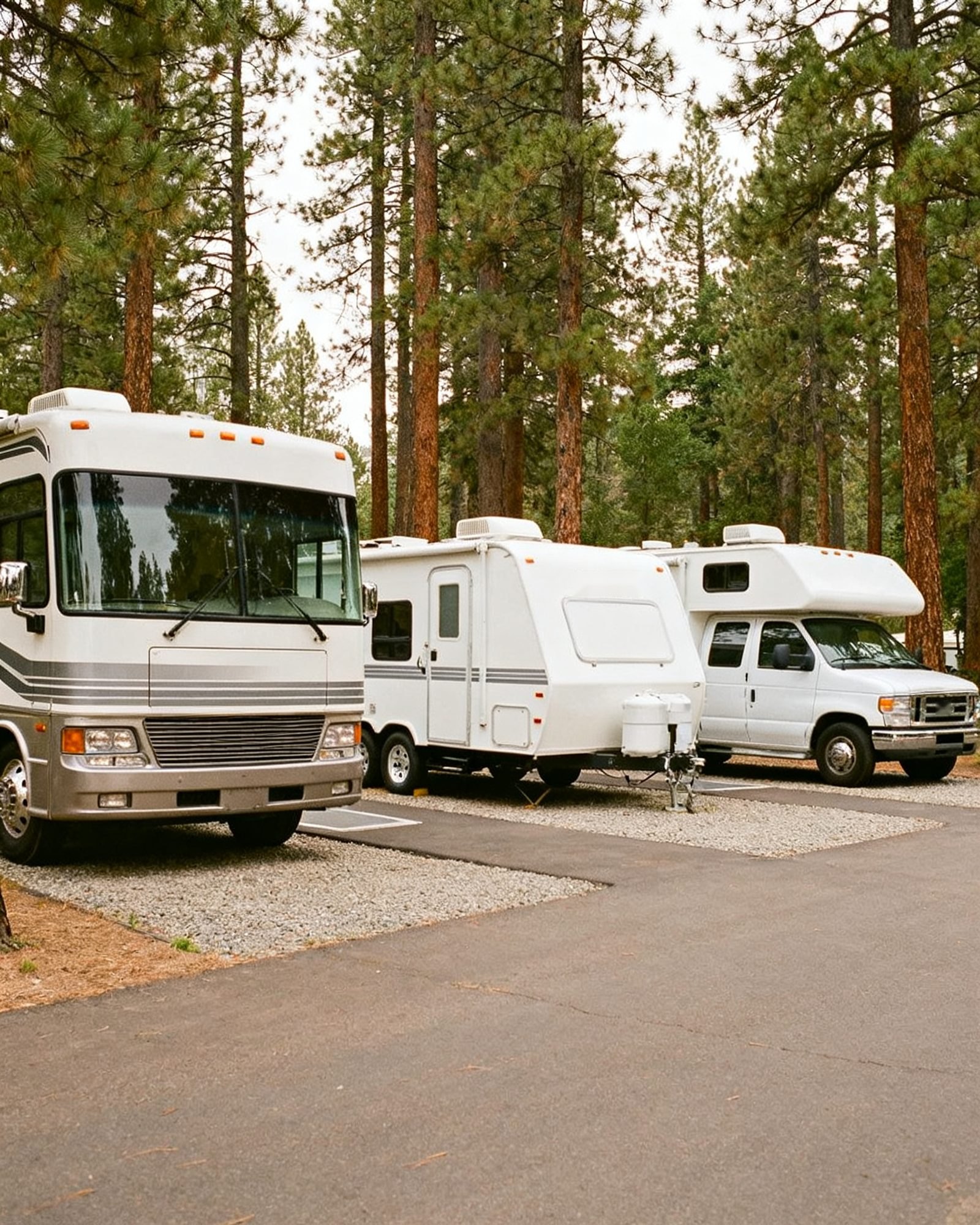
A Class B motorhome is a camper built inside a full-size van body that keeps the van’s exterior shape, usually with a raised roof. It is the smallest motorhome class, roughly 17 to 24 feet long, and it drives and parks much like a large van. That size is the whole appeal and the whole compromise: a Class B suits a solo traveler or a couple who want to drive into town, park in a normal space and set up in minutes, but it gives up living space, storage and tank capacity to get there. A used one is worth considering if you understand those trade-offs before you start looking.
How a Class B is built and how it drives
A Class B starts as a full-size van. The company that builds the camper adds insulation, a raised roof, cabinets, a bed, a galley, a water system and often a wet bath. The van’s cab, engine, drivetrain and exterior panels stay largely as the van maker built them, which is why a Class B handles and parks more like a van than a motorhome.
Both gasoline and diesel vans are used. They are driven from the driver’s seat like any van. A Class B is light for a motorhome, but licensing rules are set by each state, and some require a non-commercial endorsement for heavy motorhomes or long combinations - check your state DMV. Height matters: know the exact height including roof vents and antennas, and keep it written where the driver can see it.
What to check on a used Class B
- Roof and raised-roof seams. The raised roof is a common leak point. Look for stains, soft ceiling panels and cracked sealant.
- Wet bath condition. Many Class Bs have a wet bath (shower and toilet in one compartment); some have no bathroom. Check for water damage around the shower pan and walls.
- Tank sizes. Fresh, gray and black tanks are small. Confirm the capacities suit how you plan to camp.
- Storage. Exterior storage is limited. Open every cabinet and compartment and judge whether your gear fits.
- Van mechanicals. The chassis is a van, so check tires, brakes, suspension and service records as you would on any used van.
- Electrical and propane. Have a qualified RV technician check the propane system, 120-volt wiring, converter, inverter and any generator. Do not attempt repairs on those systems yourself.
Who a Class B suits, and who it does not
A Class B suits couples and solo travelers who want everyday driving, easy parking in towns and quick setup. It is a good fit for weekend trips, road trips with frequent moves and anyone who wants one vehicle that works as a daily driver and a camper.
It suits less well if you need space for a family, long stays off hookups, or lots of gear. Tank sizes are small, storage is tight and the wet bath is compact. If you need more room, a small Class C or a B+ may fit better; see small used motorhomes for the compact options and used Class C motorhomes for the cabover layout.
Class B vs Class C at a glance
| Feature | Class B (camper van) | Class C |
|---|---|---|
| Body | Full-size van body, raised roof | Cutaway van or truck chassis with living body behind the cab |
| Length | Roughly 17 to 24 feet | Roughly 20 to 35 feet |
| Driving | Van-like; easy to park | Larger and wider; the cabover adds height |
| Sleeping | Often a rear bed or convertible dinette | Often a cabover bed plus a second bed |
| Bathroom | Many have a wet bath; some have none | Usually a separate or larger bath |
| Storage and tanks | Limited | More |
| Best for | Solo travelers and couples who move often | Couples or small families wanting more space |
For the full picture of every class, see RV types explained: Class A, B and C motorhomes and towables.
Professional builds vs home van conversions
A professional conversion is built by a company that specializes in camper vans. It usually has a proper raised roof, tested cabinetry, a water system, an electrical system and a propane system installed to RV standards. RVs built by members of the RV Industry Association (RVIA) carry its seal, usually near the entry door. NFPA 1192 covers propane, plumbing and fire and life safety, and 120-volt wiring follows the National Electrical Code.
A home van conversion is built by an individual, often from a cargo van. Quality varies widely. A careful build can be excellent; a rushed one can have unsafe propane or electrical work, poor insulation and no proper ventilation. If you buy a home conversion, have a qualified RV technician inspect the propane and electrical systems before you use them.
Titling and insurance for conversions
How a conversion is titled depends on the state and on how the van was registered. A professional Class B is usually titled as a motorhome. A home conversion may be titled as a van, a motorhome or something else. Check your state DMV, and tell your insurer exactly what the vehicle is and how it was built. Coverage for a conversion can differ from coverage for a factory-built motorhome; check with your insurer.
What to check before you buy a used Class B
Start with the paperwork. The VIN on the title, registration and federal certification label must match and show no sign of alteration. A motorhome can have safety recalls from both the chassis maker and the company that built the camper; use the NHTSA recall lookup by VIN. Check title brands and total-loss records through an NMVTIS-approved provider, and theft records through the NICB’s free VINCheck. For the paperwork steps, see how to check an RV’s title.
Then inspect the camper body:
- Water damage. Look for soft spots in floors, walls and ceiling, stains, sagging, and rot around windows, roof vents and corners. A moisture meter on interior walls finds damp that cannot be seen.
- Delamination. Bubbles, waves or ripples in the sidewall usually mean water has got in.
- Sealant. Roof and seam sealants dry out and crack with age. Plan to inspect and renew them.
- Slide-outs. Most Class Bs have none, but if one is fitted, check the seals and mechanism.
- Appliances and systems. Test the water heater, furnace, stove, refrigerator and any generator. Propane, 120-volt and generator work is a job for a qualified RV technician.
- Tires. RV tires often age out before the tread wears out. The DOT code ends in four digits giving week and year of manufacture; 2419 means the 24th week of 2019. Common guidance is a yearly inspection once tires are 5 years old and replacement no later than 10 years from the date of manufacture.
- Weight ratings. Check the GVWR, GAWR and cargo carrying capacity label, usually inside a cabinet or near the entry door. Water weighs about 8.3 pounds per gallon and propane about 4.2 pounds per gallon. The only way to know actual weight is a public scale.
An independent RV inspector, chosen and paid by the buyer, examines an RV before purchase. On a motorhome, a lab analysis of engine oil, coolant and transmission fluid can be added.
What goes wrong with used Class B RVs
Water damage is among the most common and most expensive defects. The raised roof, roof vents, windows and rear doors are all leak points, and a small leak can rot framing and insulation before it shows inside. A musty smell is a red flag.
Second is systems neglect. A camper van that sat unused may have a dead coach battery, a failed converter, a water heater full of scale or a propane system that has not been leak-tested. Flooded lead-acid batteries need their water level checked, and most lithium iron phosphate batteries must not be charged below freezing unless they have built-in heating. Have a qualified RV technician check the electrical and propane systems.
Third is the home conversion with unsafe work. Propane is heavier than air and collects low; RVs have an LP gas detector near the floor. If you smell propane, put out flames, do not operate electrical switches, close the tank valve if it is safe to do so, open doors, get everyone out, and have the system checked by a qualified RV technician before using it again.
Fourth is the paperwork. A branded title affects financing, insurance and resale. A lien must be released before ownership can pass. A private sale is usually as-is, with no warranty, and there is no general right to cancel a signed vehicle purchase afterwards. Vehicle-sale scams follow a pattern the FTC and FBI warn about: a listing far below comparable RVs, a seller who cannot meet, payment by wire transfer or gift cards, and pressure to pay before seeing the RV and the title.
Camper vans and 4x4 models
Some Class Bs are built on four-wheel-drive van chassis for unpaved roads. Four-wheel drive adds weight, cost and parts to maintain, and it does not raise the vehicle’s weight ratings. See used 4x4 motorhomes and off-road campers for what to check on those models.
If you are searching for a used Class B, search by the model and by the conversion builder, not only by the words “camper van for sale.” Ask for the VIN before you travel to see it, and check the title and history first. This site lists no RVs and has no listings of its own; the guidance here is about how to inspect and buy, not where to shop.
Common questions
What is a Class B RV?
A Class B motorhome, also called a camper van, is built inside a full-size van body that keeps the van's exterior shape, usually with a raised roof. It is the smallest motorhome class, roughly 17 to 24 feet long, and drives much like a large van.
Is a Class B good for full-time living?
A Class B can work for a solo traveler or a couple who move often and live simply, but storage and tank sizes are small and many have only a wet bath. For more space, a small Class C may suit better.
What is the difference between a Class B and a Class C?
A Class B is built inside a van body and is roughly 17 to 24 feet long. A Class C is built on a cutaway van or truck chassis with a living body behind the cab, often with a cabover bed, and is roughly 20 to 35 feet long.
How do I check a used camper van before buying?
Check the title and VIN first, then look for water damage, delamination and cracked sealant. Have a qualified RV technician check the propane and electrical systems, and consider an independent RV inspector.
Are home van conversions insured the same as factory Class Bs?
Not necessarily. How a conversion is titled and insured depends on the state and the insurer. Tell your insurer exactly what the vehicle is and how it was built, and check your state DMV for titling rules.
Read next
Used 4x4 Motorhomes and Off-Road Campers in the USA
Compare used 4x4 motorhome types: camper vans, 4x4 Class C, truck campers and expedition trucks. Learn what four-wheel drive adds and what to inspect.
Used Class C Motorhomes: Who They Suit and What to Check
How a used Class C motorhome is built, who it suits, how it drives, and what to inspect - especially the cabover, the classic spot for water leaks.
Used Class A Motorhomes: Gas vs Diesel Pushers
Compare used Class A motorhomes: gas front-engine vs diesel pusher. Learn how each is built, how it drives, what it tows, and what to inspect before you buy.